


CareConcierge for hearing care clinics
A first response as patient as your audiologists.
Hearing care rarely starts with the patient. A daughter notices the television getting louder; a husband repeats himself once too often. When someone finally writes, they want a calm answer, no sales pressure and a clear next step.
CareConcierge answers audiology patient enquiries from your approved information, understands who is asking and for whom, and prepares your team to continue the conversation.
Practice-approved information. A prepared team. Clinically guided.
From first hearing assessments to hearing aid trials, tinnitus and the daughter enquiring for her father, we help hearing care clinics answer without pressure, follow up with patience and keep patients in care long after the fitting – giving your audiologists more time for the person in front of them.
Hearing Care Experience Strategy
Where hearing care clinics need CareConcierge the most.
AI Conversion Platform: One concierge for patients and the families who enquire for them.
From a first hearing assessment to a question about a hearing aid trial, CareConcierge answers from your approved information, notes who is asking and for whom, and briefs your team on the next step.
Explore the platformAnswer Enquiries Around the Clock: The question asked after another difficult dinner is answered that evening.
Hearing worries surface at home, late, after a conversation that went wrong. Each person receives a calm, unhurried reply from your approved information while they are still ready to act.
Explore enquiry handlingQualify Enquiries Before the Team: Assessments, tinnitus and device questions reach the right person first.
A first assessment, a tinnitus enquiry and a hearing aid that has stopped working need different people. Each follows the pathway your clinic has set, with the non-clinical details already noted.
Explore qualified handoffEase the Load on the Front Desk: Battery, servicing and repair questions stop queueing at the desk.
Routine questions about batteries, servicing and drop-off times are answered from approved information, so your team gives its time to the patients who need a person.
Explore support for practice teamsSee Where Patients Drop Away: See where hearing enquiries stall between assessment and fitting.
Your monthly Conversion Intelligence report shows where enquiries arrive, which reached a handoff, which outcomes your team confirmed and what patients and families ask before they decide.
Explore Conversion IntelligenceWork Alongside Your Practice Software: Fits around the clinic systems your team already uses.
CareConcierge works alongside your practice management software. Handoffs reach your team through the agreed route, and appointments are booked in your own system.
Explore integrations


CareConcierge stands at the front door
Front doors everywhere. Who is your concierge standing at them?
A daughter may write on WhatsApp after a difficult dinner, a patient may message on Facebook before the clinic opens and someone weighing up a quote may fill in a form at lunch. Each experiences it as an entrance to your clinic. CareConcierge stands at every door at once, answers in your clinic’s voice and gives your team one briefing, whichever door they chose.
Choose a front door

- Patient:
Hi, I’m asking for my dad. He’s 78 and the TV gets louder every week, but he says he’s fine. Can I come with him to a hearing test?
- Northgate Hearing · CareConcierge
Hi Rachel, thank you for writing on your dad’s behalf. Family members are very welcome, and many people find it easier with someone they know in the room. The first visit is a hearing assessment with one of our audiologists, with plenty of time for questions. Would mornings or afternoons suit him better?
- Patient:
Mornings. Honestly, he’s worried it’ll be a hard sell.
- Northgate Hearing · CareConcierge
That’s a fair worry, and you’re not the first to mention it. The assessment is about understanding his hearing. Anything Anna recommends afterwards is explained first, and the decision is always his. Tom will call you tomorrow to find a morning that suits you both.
Hi Tom, Rachel got in touch on WhatsApp tonight about her father, 78. The family have noticed the TV getting louder; he’s reluctant and worried about being sold to. She’d like to come with him.
Could you call her tomorrow and offer a morning assessment with Anna? A word about how we explain options before anything is decided would help. She’s expecting your call.
Call Rachel tomorrow
- Patient:
Saw your post about tinnitus. Mine has been ringing for months and it’s worse at night. Is that something you help with?
- Northgate Hearing · CareConcierge
Thank you for reaching out, and I’m sorry it’s keeping you awake. Tinnitus is something our audiologists see often. The first step is a tinnitus assessment, where they listen to how it affects you day to day and check your hearing at the same time. Would you like to arrange one?
- Patient:
Yes please. Late afternoons are best.
- Northgate Hearing · CareConcierge
Of course. Megan from our team will send you a few late-afternoon times here tomorrow.
Megan, a tinnitus enquiry on Instagram tonight, prompted by our tinnitus post. Ringing for several months, worse at night. No sudden change in hearing mentioned.
I’ve explained the tinnitus assessment and offered nothing clinical. Late afternoons suit. Could you send a few appointment times in Instagram tomorrow?
Send afternoon times
- Patient:
Morning. One of my hearing aids keeps whistling and the other has gone quiet. Can I drop them in today?
- Northgate Hearing · CareConcierge
Good morning, Mr Davies. Yes, please do. The servicing desk is open from 9 until 12.30, and the team can often check them while you wait. Shall I let them know you’re coming?
- Patient:
Yes please, about 10.
- Northgate Hearing · CareConcierge
Lovely. We’ll expect you around 10, and I’ve told the team what’s happening with both aids.
Morning Tom. Mr Davies is dropping his hearing aids in around 10: one is whistling and the other has gone quiet.
He’d like them checked while he waits if possible. Could you let whoever is on servicing know before he arrives?
Expect him around 10
- Name
- Graham
- Interested in
- Hearing aids
- Message
- I’ve been quoted for hearing aids elsewhere and would like a second opinion before I commit. Do you offer a trial?
Form sent
- Northgate Hearing · by SMS
Hi Graham, thank you for your message. It’s sensible to take your time over a decision like this. We do offer a trial period with hearing aids, and Anna can go through your previous results and the options with you. I’ve asked our team to call you this afternoon to arrange an appointment.
- Patient:
Thanks. After 3 is best.
Megan, Graham used the web form at 1.15. He has a hearing aid quote from another provider and wants a second opinion and a trial before committing.
I’ve confirmed we offer trials but haven’t discussed prices or devices. Could you call him after 3 and book him in with Anna? It’s worth asking him to bring his previous results.
Call after 3 today
- Patient:
Hi, it’s Margaret. I can’t make my hearing aid check on Tuesday, my daughter can’t drive me.
- Northgate Hearing · CareConcierge
That’s no trouble, Margaret. I’ve passed this to Tom on our front desk, who will text you new times for your check with Anna tomorrow morning. Which days suit you and your daughter best?
- Patient:
Thursday or Friday mornings.
- Northgate Hearing · CareConcierge
Thank you, I’ve added that to my note for Tom.
Tom, Margaret texted at 5.50 pm to move her hearing aid check with Anna on Tuesday: her daughter can’t drive her. Thursday or Friday mornings suit them best.
Please text her times and move it in the diary. Tuesday’s 11.00 will then be free for anyone waiting for a fitting review.
Move appointment · reply by text
Clinical governance
Designed around the rules your clinic already answers to.
CareConcierge FAQs
How would this fit your hearing care clinic?
The questions clinic owners and practice managers ask us most, with the detail behind each answer.

How can I improve our patient experience with AI?
Start where hearing care usually begins: with a worry that has been put off for months, and often with someone else noticing first. CareConcierge is a concierge, not an AI receptionist. A receptionist answers what arrives; a concierge owns what happens next.
It stands at every front door your clinic has, answers in seconds from the information you have approved, understands who is asking and for whom, and hands the conversation to the right person with the story already told. Your audiologists give their time to the patients who need a person.
It stands at the front door
WhatsApp, Instagram, Messenger, your website and SMS, evenings and weekends included. Patients who prefer to ring still reach your team as they do today.
It answers without pressure
From your approved clinic information, in your clinic’s voice, with no recommendation and no hard sell.
It creates warm handoffs
The first human call feels like the second conversation, because nothing needs repeating.
It stays after the fitting
Follow-up your audiologists set, so a new hearing aid becomes part of daily life rather than ending up in a drawer.
What changes for your team?
The first call begins with the situation already understood. Instead of a name and a number, your coordinator receives who is enquiring and for whom, what prompted the enquiry, what the clinic has already explained and how they would prefer to hear from you.
Choose an everyday enquiry to see the briefing your team would receive.
Family enquiries
Patient question
“I’m enquiring for my mum. She won’t book herself, but she’s struggling on the phone. Can I arrange an assessment for her?”
For the clinic team
- Enquiry
- Hearing assessment enquiry made by a daughter for her mother.
- Family wants
- To understand the assessment and whether she can attend with her mother.
- Next step
- Coordinator to call the daughter and agree how her mother would like to be contacted.
- Clinical
- Assessment and any recommendation remain with the audiologist.
Hearing aid trials
Patient question
“I’ve been quoted for hearing aids elsewhere. Do you offer a trial before I decide?”
For the clinic team
- Enquiry
- Second-opinion enquiry about hearing aids.
- Already answered
- The clinic’s trial arrangements, from approved information.
- Next step
- Coordinator to book an appointment with an audiologist; patient to bring previous results.
- Fees
- Not discussed; left for the appointment.
Existing patients
Patient question
“My left hearing aid has stopped working. Can someone look at it this week?”
For the clinic team
- Enquiry
- Existing patient with a device that needs checking.
- Contact
- Can drop in on weekday mornings.
- Next step
- Front desk to confirm a servicing time.
Who stays in charge of clinical decisions?
Your audiologists, always. Hearing conversations can move quickly from appointment questions to symptoms that need a clinician, so CareConcierge works only within the information and handoff rules your clinic approves. It does not assess hearing, interpret results or recommend a device.
Approved information
Your services, assessment process, trial arrangements and clinic policies provide the basis for every response. Fees and funding are shared only as you choose.
Clear responsibility
Enquiries go to the team member or agreed clinic route that can take the next step, including enquiries made on someone else’s behalf.
Clinical judgement
A sudden change in hearing, pain, discharge or dizziness goes to your agreed human pathway at once, with no clinical view offered.
Can it handle family, hearing aid and tinnitus enquiries?
Yes. Your clinic defines a route for each kind of enquiry it receives, and for enquiries made by a family member. The first conversation explains approved clinic information and captures what the person wants to ask; your team confirms the appropriate next step.
- FamiliesA daughter for her fatherCoordinatorAssessment
- Hearing aidsTrials, second opinionsCoordinatorConsultation
- TinnitusRinging, sleep affectedAudiologistAssessment
- Existing patientsRepairs, reviews, batteriesFront deskSame week
Can we begin with one enquiry pathway?
Most clinics do. Start where the pressure is greatest, then widen from there. We map the channel, the approved content and the handoff with you.
Where would you start?
Where we would begin
Switch CareConcierge on for evenings and weekends first, when families talk things over. Your team arrives each morning to prepared briefings instead of an inbox to work through.
- Agree opening hours and the after-hours reply
- Approve the information it answers from
- Choose who receives the morning briefings
Where we would begin
Start with enquiries made on someone else’s behalf: what the clinic can explain, how it records who is asking and when the patient joins the conversation.
- Agree how family enquiries are handled
- Approve answers on assessments and attendance
- Set the coordinator handoff
Where we would begin
Take repairs, batteries and drop-off questions off the phone, so your front desk spends its mornings with the patients in the clinic.
- Approve servicing hours and drop-off wording
- Agree what needs an audiologist
- Route device faults to the servicing team
Where we would begin
Invite patients due an annual hearing review back by message, with replies that move straight to a booking conversation with your team.
- Agree the recall wording and timing
- Choose the channels for each patient group
- Set who books the replies
Does it connect to our practice management system?
CareConcierge currently works alongside practice management software. Your team receives the enquiry context through the agreed handoff route, and we explain the available arrangement for your clinic during the demonstration.
- ConversationCareConcierge answers and gathers what your team needs.
- HandoffA briefing reaches your team by the agreed route, such as email and calendar.
- BookingYour team books in your own practice software.
How does it support patients after a hearing aid fitting?
Hearing aids are rarely right on the first day, and the weeks after a fitting decide whether they become part of daily life. Your audiologists set the follow-up for each patient’s pathway, never a generic sequence, and CareConcierge carries it out on the channel the patient prefers.
Routine questions about cleaning, batteries and charging are answered from approved information. Anything about comfort, sound or not wearing the aids goes to the audiologist with the conversation attached.
- FittingYour audiologist chooses the check-ins for this patient and when they happen.
- The first weeksA message at each agreed point, an email and then a text if there is no reply, with routine questions answered at once.
- ReviewFitting reviews and servicing are booked by your team, and requests to move an appointment reach them by message.
What will Conversion Intelligence show me?
A booked diary shows who made it through. Each month, Conversion Intelligence shows the principal where patients and families are still waiting and what the clinic could improve.
Captured enquiries, responses and prepared handoffs provide the starting view. Booking and fitting outcomes need confirmation from the clinic, and the report shows where that confirmation is available and where it is still missing.
Where people arrive
Enquiry sources across the channels configured for your clinic, including activity outside opening hours and enquiries made by family members.
Where the next step is waiting
The handoffs prepared and the outcomes your team has confirmed. Gaps in confirmation remain visible.
What deserves attention
Repeated questions or delays, so you can decide what to change in the information, routing or team process.
Conversion Intelligence Report
A private hearing care practice, one month
- Enquiries captured
- 138
- Handoffs prepared for the team
- 61
- Next step confirmed by the team
- 44
- Handoff outcome not yet confirmed
- 17
Principal’s summary
- Thirty-one enquiries came from family members. Check that your website and replies invite them to the assessment.
- Seven hearing aid trial handoffs waited for a second callback. Decide who owns the first call.
View a sample reportClose the sample report
Enquiry sources
- Website enquiry form
- 52
- SMS
- 41
- 33
- Instagram direct messages
- 12
- Arrived outside opening hours
- 49 of 138
- Made by a family member
- 31 of 138
Monthly snapshot
- Enquiries captured
- 138
- Handoffs prepared for the team
- 61
- Next step confirmed by the team
- 44
- Handoff outcome not yet confirmed
- 17
- Appointment changes passed to the team
- 16
Principal’s decision page
- Thirty-one enquiries came from family members. Check that your website and replies invite them to the assessment.
- Seven hearing aid trial handoffs waited for a second callback. Decide who owns the first call.
- Seventeen handoffs have no confirmed outcome yet. Ask the team to record what happened so next month’s view is complete.
Keep a copy for your next clinic meeting.
Ask us and we’ll send the sample report to your work email.
CareConcierge inside private practice
Built inside a specialist practice. Watch it at work.
CareConcierge was developed inside a Sydney specialist plastic surgery practice, where every reply, boundary and handoff was tested against real patients before it reached anyone else. A hearing clinic asks the same of it: answer calmly, know its limits and hand over with care.
- Enquiries captured
- 523
- Warm handoffs prepared
- 151
One Australian specialist plastic surgery practice · July–September 2026.
The video could not be loaded here. Watch it on Vimeo (opens in a new tab).
The evening enquiry
Four minutes at ten o’clock at night
Dr Pouria Moradi reads out a 9.52 pm enquiry and what happened in the next four minutes.
The video could not be loaded here. Watch it on Vimeo (opens in a new tab).
Your voice
How it learns to sound like your practice
How CareConcierge learns to answer the way your audiologists and front desk would.
The video could not be loaded here. Watch it on Vimeo (opens in a new tab).
Clinical boundaries
Staying in its lane
Why it stays within approved information and hands anything about hearing or symptoms to a person.
The Private Healthcare Practice Deck
The briefing for clinics whose care continues long after the fitting.
A hearing enquiry often comes from someone who is not the patient, about a decision the patient has put off for years. Our Private Healthcare deck shows how CareConcierge answers families and patients calmly, at any hour, and stays with them from the first question to the follow-up appointments that make a fitting work.
Why the front door is now everywhere
Your website, SMS, WhatsApp, Instagram and the 8.14 pm message from a worried daughter: the deck maps every entrance patients and families use, and why each one is a front door.
Meet Michèle
The coordinator your clinic depends on, fielding families, repairs and reviews across more channels than one person was meant to manage, and how her role grows rather than shrinks.
Audiology in the specialty view
Hearing care sits alongside dental, dermatology and vision care in the deck’s specialty view: different specialties, the same commercial anatomy.
The human safeguard
What CareConcierge never does: diagnose a patient’s problem, recommend a device without context, guarantee outcomes or replace clinical judgement.
Sleeping pathways
The patients who had an assessment and never returned, and the careful, lawful way to resume the conversation.
Live in three weeks
The implementation model, from intake and approved content to go-live and the first monthly review.

Digital marketing for hearing care clinics
Everything a hearing clinic needs to be found, chosen and booked.
Get your practice valued
What is your hearing clinic really worth?
A loyal patient base, a well-kept recall and servicing book, referral relationships with local GPs and a team patients trust carry value a balance sheet rarely shows. Before you plan what comes next, whether a partner, a sale or simply a stronger clinic, find out what a buyer would see.
- IndependentA buyer’s-eye view of your practice, with no transaction to sell you
- ConfidentialNo obligation, and no pressure to sell
What you’ll leave knowing
What a buyer will examine:
Clean accounts with agreed adjustments, current agreements and the evidence behind your income.
How much depends on you:
Which patients and referrers come to you personally, and which parts of the clinic already run on systems a buyer can see.
Why the recall book is priced:
A documented record of reviews and servicing, and of how new patients find and contact the clinic, makes any opinion better informed.
What to gather first:
Three years of accounts, supplier agreements, the lease, your team structure and your enquiry record.
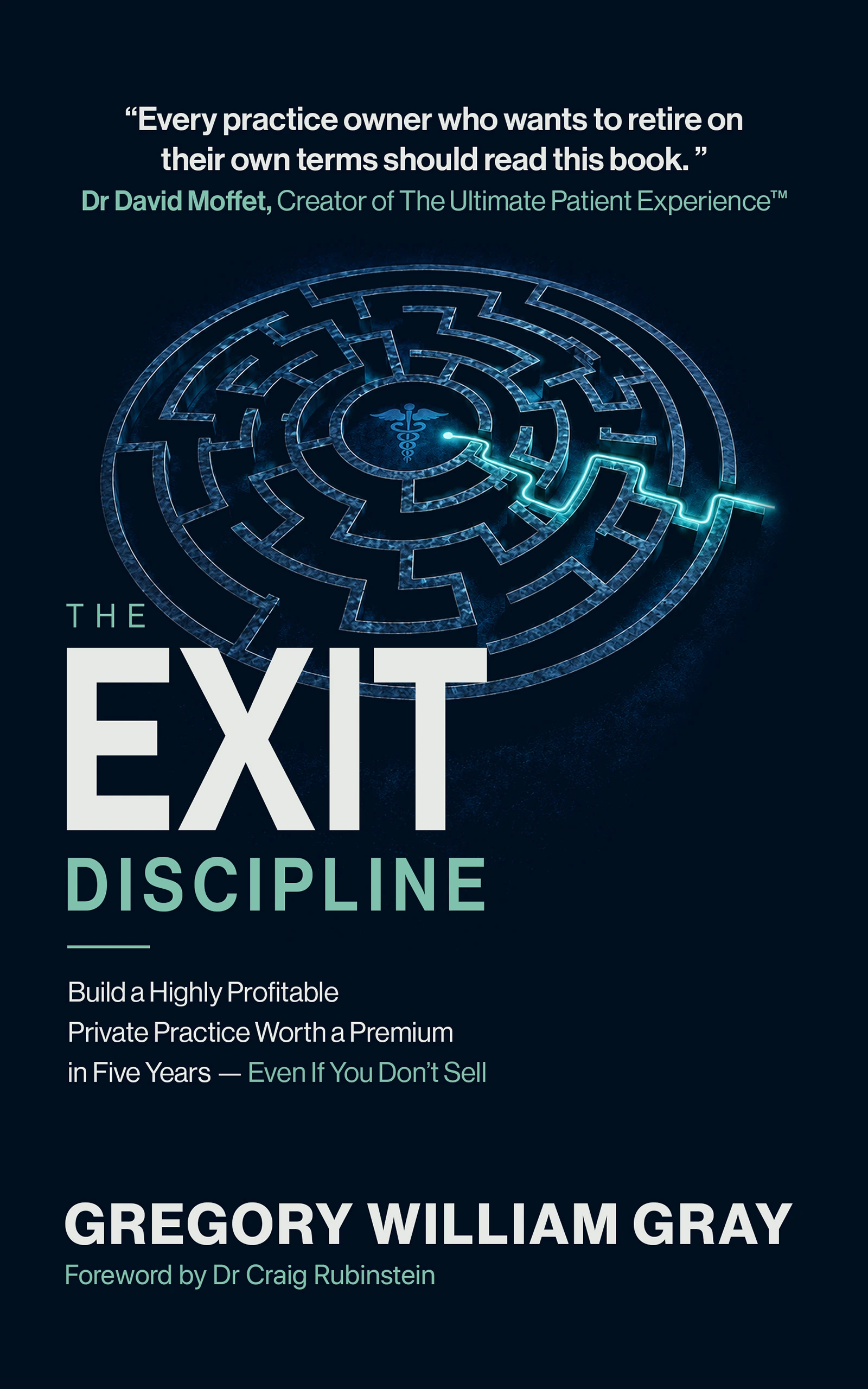
Where it begins
A private conversation with Gregory Gray about your practice and what you want to know. Then a full valuation with advisers from investment banking and law, its scope agreed with you before any work begins.
The next step is a conversation, not a commitment.

Discuss your practice
A strategy conversation with someone who understands the business of hearing care.
Thirty minutes on your patient journey, your marketing and the enquiries your team is carrying, from first assessments to servicing. You’ll leave with a clear view of where to start, whether or not we work together.
- Australia+61 2 9127 9005
- United Kingdom+44 20 7011 8509